File:Olive School for White students.jpeg
Original file (1,070 × 760 pixels, file size: 347 KB, MIME type: image/jpeg)
Summary
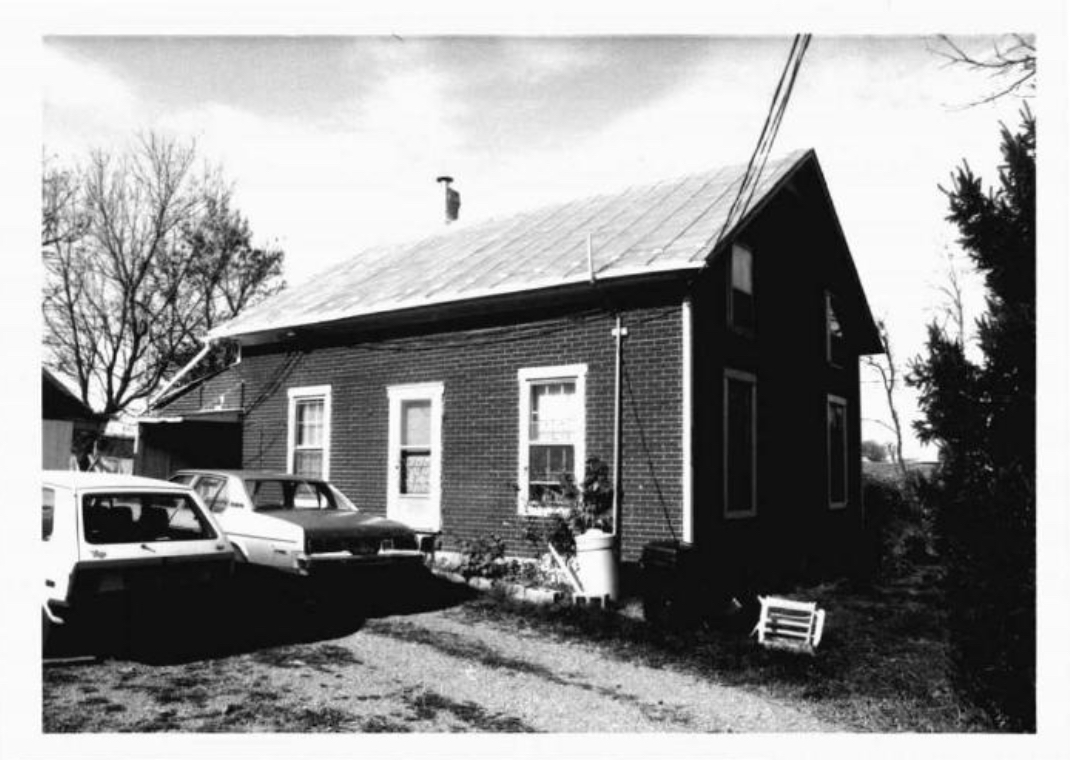
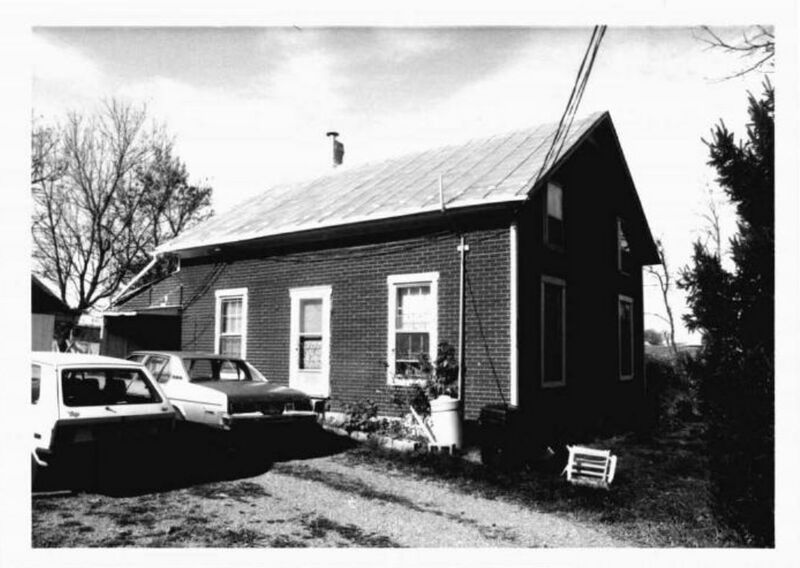
The Olive School is a one-story frame building erected about 1889 and converted to a residence in the 1930's. The original German siding is covered with brick-patterned composition siding, but the original two-room plan is generally intact, with doors on the north and south elevations. The standing seam roof shows a patch where the cupola once was located.
The Olive School is significant in conjunction with the nearby Olive Colored School because the segregated rural schoolhouses were seldom located near each other and the black schools usually were adjacent to existing black churches. The proximity of the two Olive schools, their apparently identical original plans and construction dates sets them apart from other surviving rural schools.
(Photo and information from the Maryland Historical Trust via Amy Grimm)
File history
Click on a date/time to view the file as it appeared at that time.
| Date/Time | Thumbnail | Dimensions | User | Comment | |
|---|---|---|---|---|---|
| current | 20:49, 9 July 2025 | | 1,070 × 760 (347 KB) | Pwenner (talk | contribs) | The Olive School is a one-story frame building erected about 1889 and converted to a residence in the 1930's. The original German siding is covered with brick-patterned composition siding, but the original two-room plan is generally intact, with doors on the north and south elevations. The standing seam roof shows a patch where the cupola once was located. The Olive School is significant in conjunction with the nearby Olive Colored School because the segregated rural schoolhouses were seldom... |
You cannot overwrite this file.
File usage
There are no pages that use this file.
